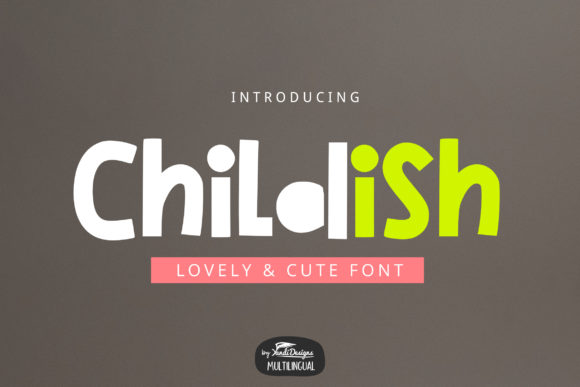
Childish Display Font Review for Crafters and Makers
I was staring at a blank Canva canvas, trying to design a set of candle labels for my latest lavender soy wax batch, when I realized my usual typography choices felt too rigid. The scent was soft, the packaging was matte white with gold foil accents, and I needed something that felt playful yet polished. That’s when I pulled up Childish, a cute and quirky display font. Lovely and fresh, this font will look absolutely gorgeous on a variety of school projects or informal design ideas, but I wanted to see if it could hold its own in a boutique handmade shop setting. After testing it on physical stickers, digital mockups, and print-ready files, here is my honest review from one maker to another.
Why Childish Is the Perfect Choice for Quirky Product Labels
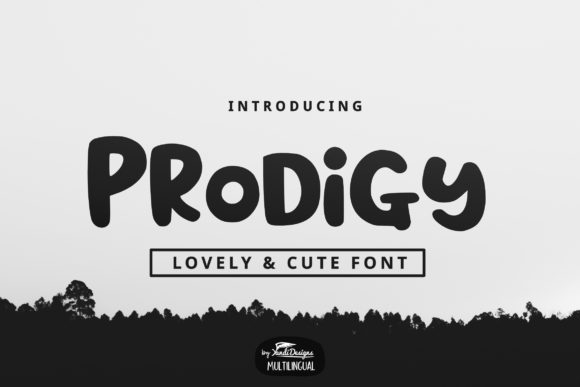
When you are creating Fonts for small business branding, personality is everything. Childish isn’t just another sans serif; it has a distinct visual voice that screams creativity without shouting. As a Display typeface, it is designed to be seen, not read in paragraphs. I tested this font on vinyl decals for mugs and water bottles, and the rounded, slightly irregular letterforms added an immediate sense of warmth and approachability. It feels hand-drawn but maintains enough structure to look professional. For product makers, this balance is crucial because it elevates your item from a generic craft fair find to a curated boutique piece. The font’s natural charm makes it ideal for short phrases like “Sweet Treats,” “Handmade with Love,” or specific flavor names on jars and tins.
How Childish Enhances Wedding Invitations and Stationery Design
I also experimented with Childish for a wedding invitation suite mockup, specifically for a rustic barn wedding theme. While many might assume a quirky font is too casual for weddings, the right application can create a memorable, modern aesthetic. I used Childish for the couple’s names on the outer envelope and as a header for the menu cards. Paired with a clean, minimal script font for the body text, the combination struck a perfect balance between formal elegance and fun personality. This demonstrates why Childish is such a versatile asset for stationery designers. It allows you to break away from traditional serif fonts while still maintaining a high-end feel. When designing digital downloads or printable wedding templates, using a unique display font helps your product stand out in crowded marketplaces like Etsy, where buyers are constantly looking for fresh, non-traditional styles.
Best Practices for Using Childish on Stickers and Packaging Tags
One of the most common questions I get from fellow sellers is about readability on small formats. When applying Childish to tiny sticker sheets or hang tags, size matters. Because the font has some internal detail and quirky curves, it performs best at medium sizes. I found that keeping the text above 12 points ensured that the letters remained distinct when cut by machines like Cricut or Silhouette. For larger packaging boxes or shipping labels, the font shines even brighter, adding a pop of color and character to otherwise plain cardboard. However, avoid using it for dense information like ingredients lists or care instructions. Instead, reserve Childish for the brand name, the product title, or decorative callouts. This strategic use ensures that your customers can easily identify your brand while enjoying the whimsical aesthetic that defines your shop’s identity.
Pairing Childish with Other Typefaces for Balanced Designs
No font exists in isolation, and knowing how to pair Childish is key to achieving a cohesive brand look. Since Childish is a display font with strong character, it needs a quiet partner to let it breathe. I recommend pairing it with a simple sans serif font for secondary text, such as descriptions or pricing. This contrast creates visual hierarchy, guiding the customer’s eye first to the catchy headline and then to the details. Alternatively, pairing it with a delicate handwritten font can enhance the whimsical vibe, especially for floral designs or children’s party supplies. By mixing these Fonts, you create depth and interest in your designs. Whether you are working on social media graphics, web banners, or printed brochures, this combination ensures your design assets remain legible and aesthetically pleasing across all platforms.
Commercial Licensing and File Formats for Digital Sellers
Before you start slapping Childish on every product you make, it is vital to check the commercial license. As a creator selling physical merchandise or digital downloads, understanding the usage rights protects your business. Most premium display fonts come with clear guidelines on how many items you can produce or whether you need an extended license for unlimited merchandising. Additionally, verify the file formats included. Ideally, you want TTF or OTF files for compatibility with cutting software, and sometimes SVG outlines if you need precise vector paths for complex logos. Ensuring you have the correct technical setup means you can seamlessly integrate Childish into your workflow, whether you are designing in Photoshop, Illustrator, or Inkscape. This preparation saves time and prevents potential legal issues down the line.
Final Verdict: Is Childish Worth Adding to Your Design Toolkit?
After weeks of testing Childish on various materials, from glossy photo paper to matte vinyl, I am convinced that this font is a valuable addition for any creative entrepreneur. Its ability to convey joy and quirkiness makes it perfect for brands that want to appear friendly and accessible. Whether you are designing school project covers, informal event flyers, or boutique product labels, Childish delivers a lovely and fresh aesthetic that resonates with audiences. It proves that a well-chosen Display font can do more than just convey information; it can evoke emotion and build brand loyalty. If you are looking to inject some personality into your next design project, give Childish a try. You might find that it becomes the signature style that sets your handmade goods apart in a crowded marketplace.